A Mischief of Magpies Scratches at the Limits of Comics and Fantasy
We talk to Si Spurrier about his new DSTLRY series with Coda collaborator Matias Bergara.

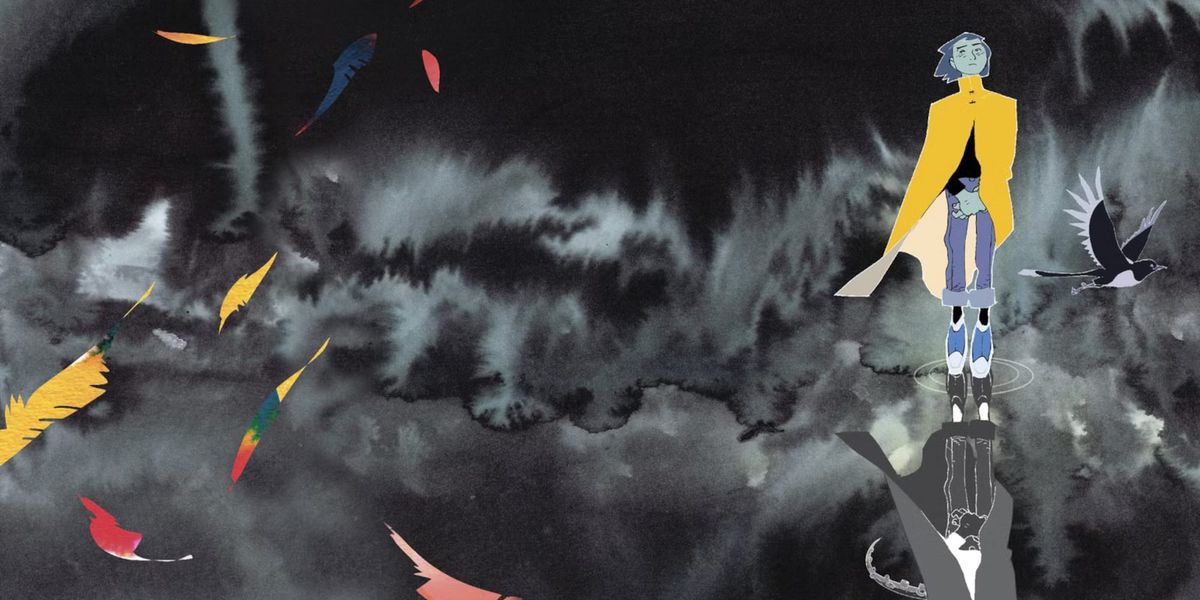
Many consider fantasy and escapism to be synonymous. What other purpose could stories about knights and wizards or talking animals populating an entirely made-up place serve for a real human being but to let them escape the confines of their everyday life? It’s a reductive notion, one disproven so many times over by masters of the genre, and one challenged repeatedly by the comics work of writer Simon Spurrier and artist Matias Bergara.
Spurrier and Bergaras, as a creative duo, first came onto the scene with their 2018 Boom! Studios series Coda. Rather than telling a traditional hero’s journey or chronicling the usual epic saga, Coda was more interested in showing the aftermath of such tales, which had left its fantasy world looking a lot more Mad Max than Middle-earth. A 2021 sequel series, later collected as Coda: False Dawns, explored the theme further.
Their most recent collaboration, the 2022 Image Comics series Step by Bloody Step, was more formally challenging. The entire series, four 48-page issues, was silent, dialogue-free, and told the bittersweet tale of a child in a violent fantasy world protected by a mysterious armored giant.
Now Spurrier and Bergara are back again, this time at DSTLRY, with a new fantasy that is as narratively rich as Coda and as structurally ambitious as Step by Bloody Step.
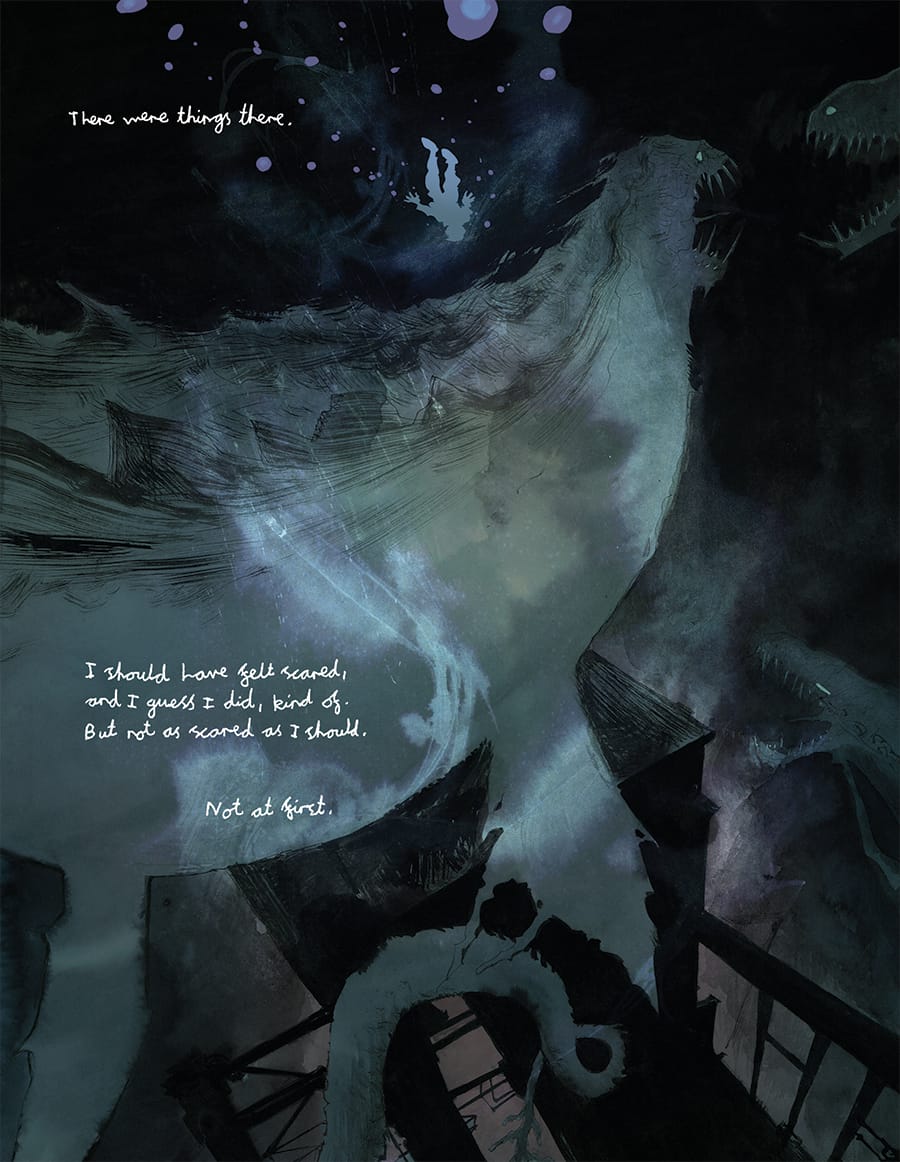
A Mischief of Magpies is a fantasy, but it fits into another, more specific subgenre: the portal fantasy. Even if you’re not familiar with the term, you likely know the genre. It’s all right there in the phrase itself: someone from the real world, usually a put-upon child, discovers a portal or other means of traveling to a fantasy realm – perhaps in the shape of a wardrobe, just as a random example – and embarks on some adventure there. Once their quest in that enchanted realm is complete, they journey back home, having gained confidence, new skills, and a newfound maturity, allowing them to face head-on whatever challenges or sources of anxiety they had previously avoided by disappearing into a more magical place. In a way, it’s about the purist representation of fantasy as escapism there is, since the protagonists themselves are escaping from reality as much as the readers are...
But what if they couldn’t control it, and never wanted to come back? That’s the situation that A Mischief of Magpies' protagonist, a young boy named Mar, finds himself in, as he seeks to escape the trials that await him at school and the tragedy that has crept into his home life, reflecting the potential allure of completely losing oneself in fantasy.
“To me, a portal fantasy feels like the most perfect way of thinking about escape and crisis,” Spurrier says...