'You Can't Plan a Hit': Ed Brubaker on 20 Years of Criminal, Part 2
We conclude our discussion with writer Ed Brubaker about Criminal, including the latest graphic novel in the noir series, Five Gears in Reverse.

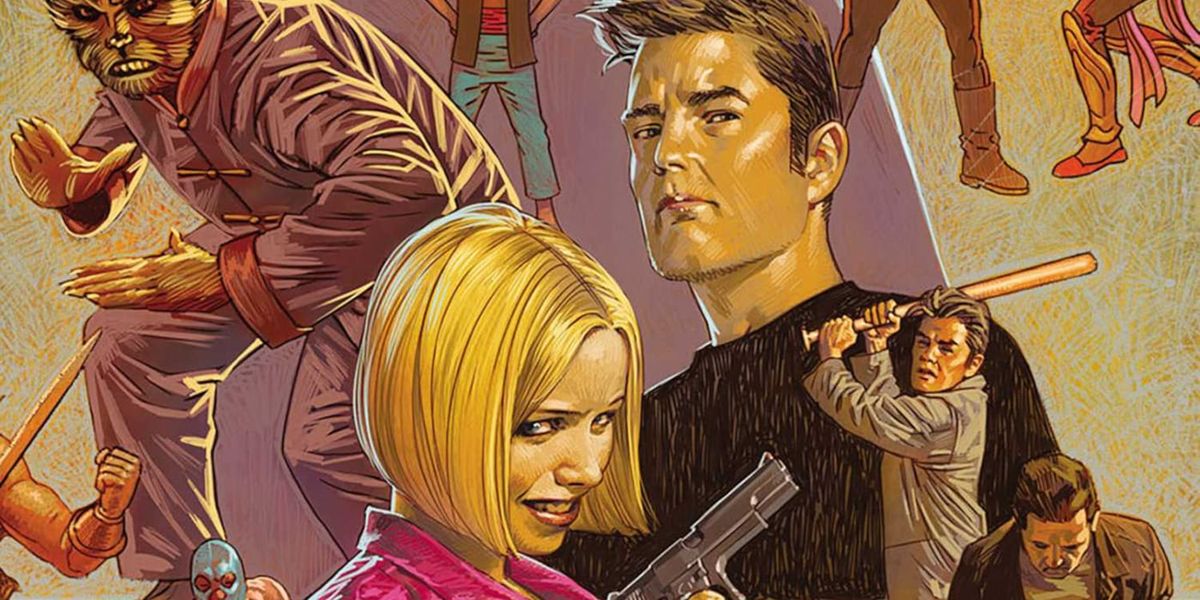
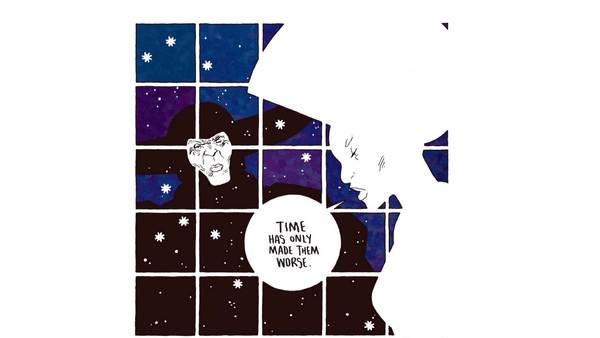
When we left off in our discussion with writer Ed Brubaker about Criminal, the crime comic that he and artist Sean Phillips have been putting out for 20 years, he had mentioned the character Jacob and how that character has a career in comics. In the earliest Criminal stories, Jacob is the cartoonist behind the surreal newspaper comic strip Frank Kafka PI. In something like a microcosm of how long-term storytelling in Criminal works, the strip at first might be thought of by the reader as little more than a running background detail, but then becomes hugely important to the fourth Criminal storyline, Bad Night, and a catalyst for one of the subplots of a later graphic novel, The Knives.
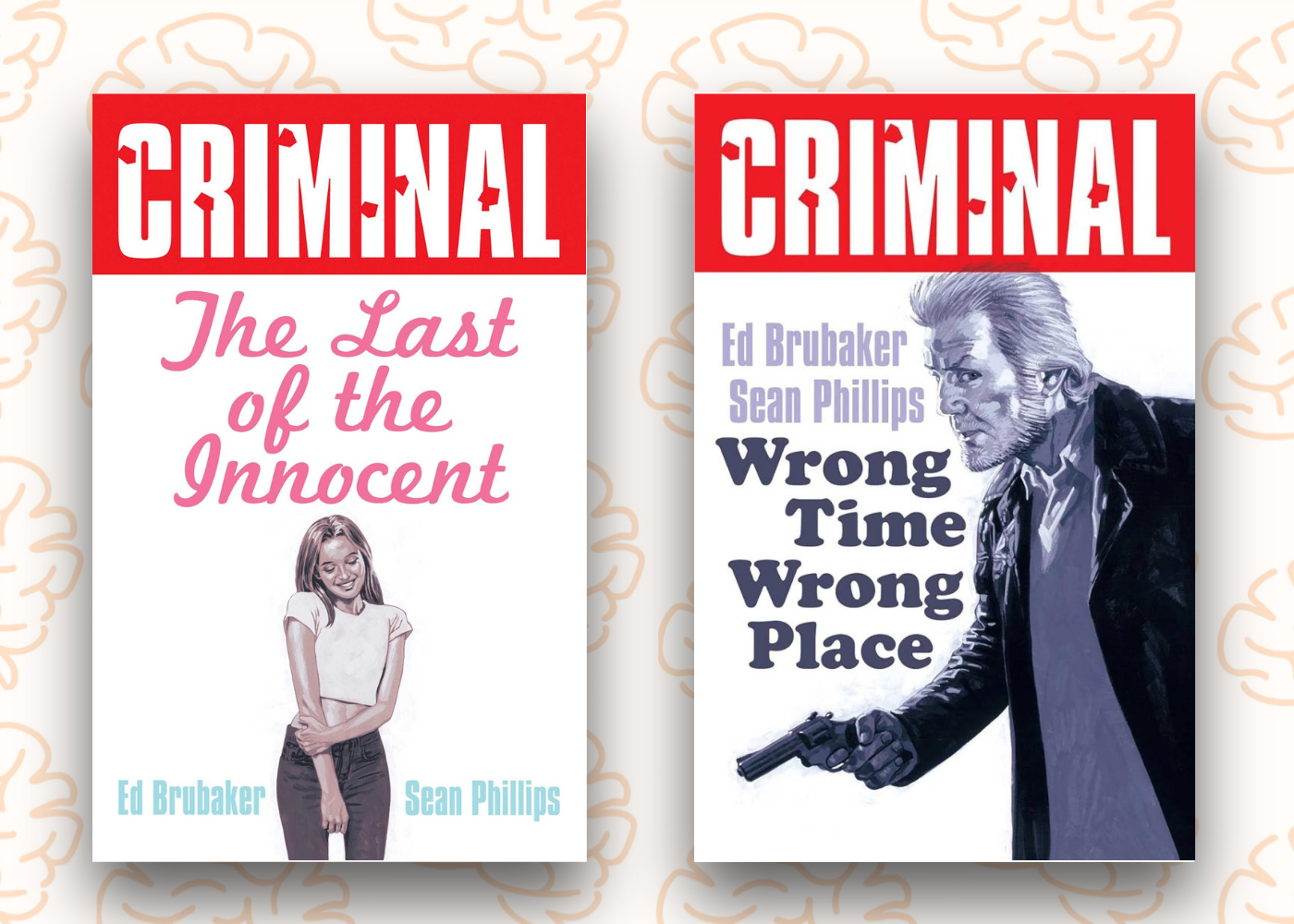
As Criminal has continued, comics and the entertainment industry have become more entwined in its stories. The Bad Weekend arc is a "comics will break your heart" tale that involves Jacob's mentor, Hal Foster. Hal seeks revenge after he comes to believe someone stole unpublished comics from him, which leads to one of Criminal's most bittersweet endings. Another collection, Wrong Place, Wrong Time, features two stories where Teeg and Tracy Lawless' shared love of pulpy 1970s comics is a motif (originally published as Savage Sword of Criminal and Deadly Hands of Criminal).
“But making that show, being the showrunner and editing it, even doing some directing during reshoots last year, was very inspiring to make me want to do more Criminal books. The buzz of it all stuck with me and gave me a lot of ambition for what I wanted to do next.” – Brubaker
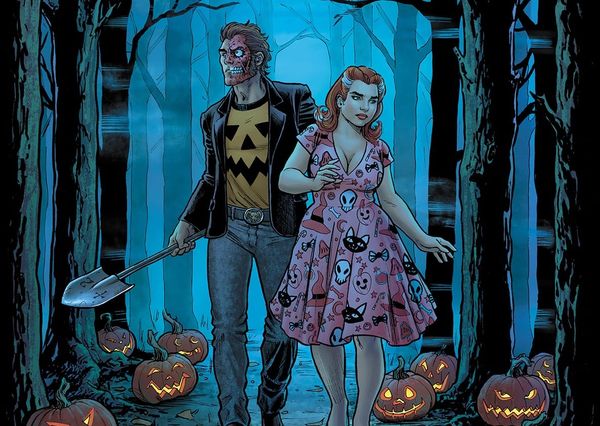
But the critically acclaimed story The Last of the Innocent engages with comics in a very different way. It isn't about the comics industry, but is instead more metafictional, reading somewhat like a deconstruction of classic Archie Comics. It focuses on an Archie Andrews-like character trapped in a loveless marriage with a rich Veronica Lodge type, and pining for his simpler youth and the childhood crush that he let get away, cast in the mold of Betty Cooper. The lengths to which this character goes to recapture his so-called innocence become an unsettling warning against the seduction of nostalgia.
The Last of the Innocent was something of a departure from earlier Criminal stories. "I think around book six, The Last of the Innocent, I realized I could do anything in Criminal that I wanted to,” Brubaker says. “That story was me processing my grief after my father died, so it’s about nostalgia and wanting to go back to your carefree childhood days. And it’s a bit meta by also being about the kids' comics I grew up reading. What if analogs of the Archie and Harvey comics characters lived in the Criminal world, you know? When I first came up with this, I thought everyone would hate it, but all my friends in the industry encouraged me to do it anyway."
The Last of the Innocent turned out to be the most acclaimed Criminal story to date at the time, and it shifted how Brubaker thought about Criminal and his writing more broadly.