Of Ultimates and Absolutes
What do the reimagined Marvel and DC universe's say about our present era?

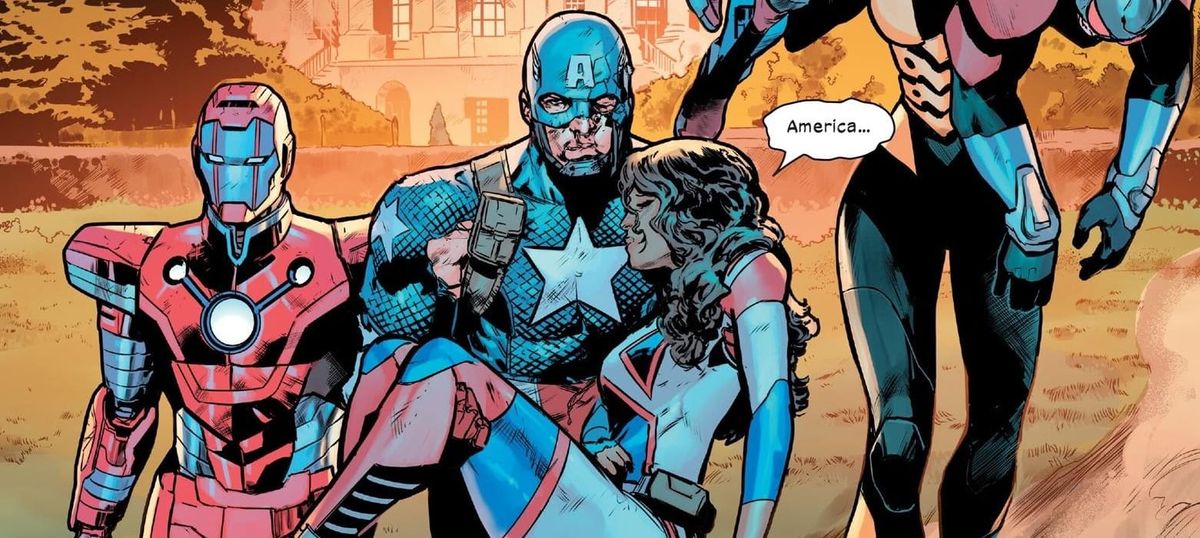
Superhero universes are a reflection of the times in which they are created. The modern incarnations of the DC and Marvel universes are rooted in the Silver Age of comics, which came about around the mid-1950s. It was a time in American history typically remembered as fueled by optimism and patriotism.
Whether or not all of that American patriotism and good feeling was earned is another story. It is something that some works revisiting the era, like Darwyn Cooke’s DC: The New Frontier, have attempted to acknowledge. But that's the story America told itself, one of a new, benevolent superpower ascendant.
During this era, the proletariat champion Superman and the dark, pulp detective Batman were reimagined as America's father figure and eccentric rich uncle, respectively. Classic Golden Age heroes were given new sci-fi twists, and the Marvel Universe was born with the introduction of the cosmic explorers soon to be known as the Fantastic Four.
But Marvel and DC recently created new versions of their universes that are as much reflections of the era they were created in as the Silver Age was of its: Marvel’s Ultimate Universe and DC’s Absolute Universe. While the main Marvel and DC universes are places where evil never goes unpunished and good guys always win, the Ultimate and Absolute Universes are created in the image of specific villains (The Maker for Marvel, Darkseid for DC) and thus have an inherently evil leaning.
In both universes, villains pull the strings of a corrupt world-controlling secret society from the shadows. As the narratives of these new universes begin, familiar-yet-different costumed heroes begin claiming powers previously denied to them, and, in doing so, awaken their world to the evils and injustices they have accepted as the norm.
It's hard not to see the Ultimate and Absolute Universes as reflections of how America sees itself now (just as the Marvel and DC Universes are reflections of how the country saw itself then): optimism replaced by well-earned cynicism, the prevalent sense that evil has won, and maybe it was always in control to begin with. Secret societies run the world, and the few good guys around aren’t protecting the status quo because the status quo is plainly bad. Instead, they’re fighting uphill battles against corrupt corporations and institutions of power.
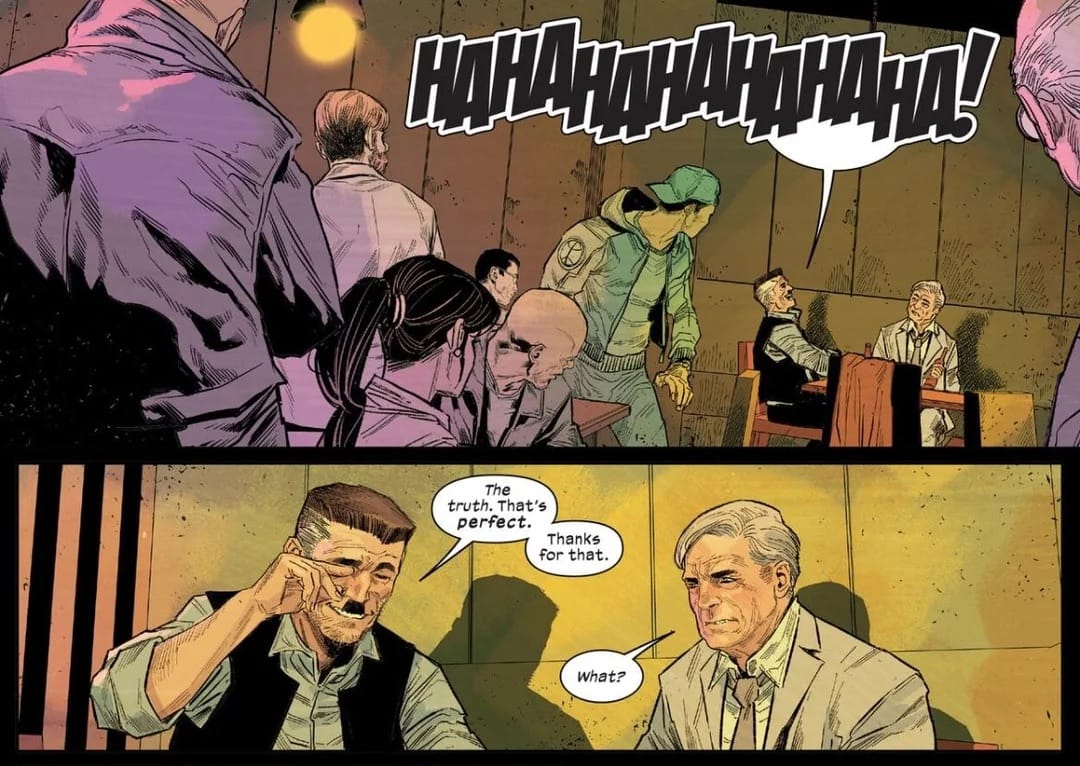
Perhaps it's self-serving, or just a symptom of an overly-romanticized view of journalism, but my favorite subplot across both of these universes is that of J. Jonah Jameson and Ben Parker, who, in the new Ultimate Universe, survives and raises Peter Parker after May’s death. The men leave their longtime positions at The Daily Bugle after it's purchased by the Kingpin, Wilson Fisk, just like Jeff Bezos buying The Washington Post. However, rather than leaving journalism behind, Ben and Jonah decide to start up their own outlet where they can continue doing things their way.