Will Miracles Never Cease?
Miracleman was like a comic book urban legend when I first started reading comics regularly. Now he's fighting alongside Wolverine and Spider-Man. How in the world did we get here?

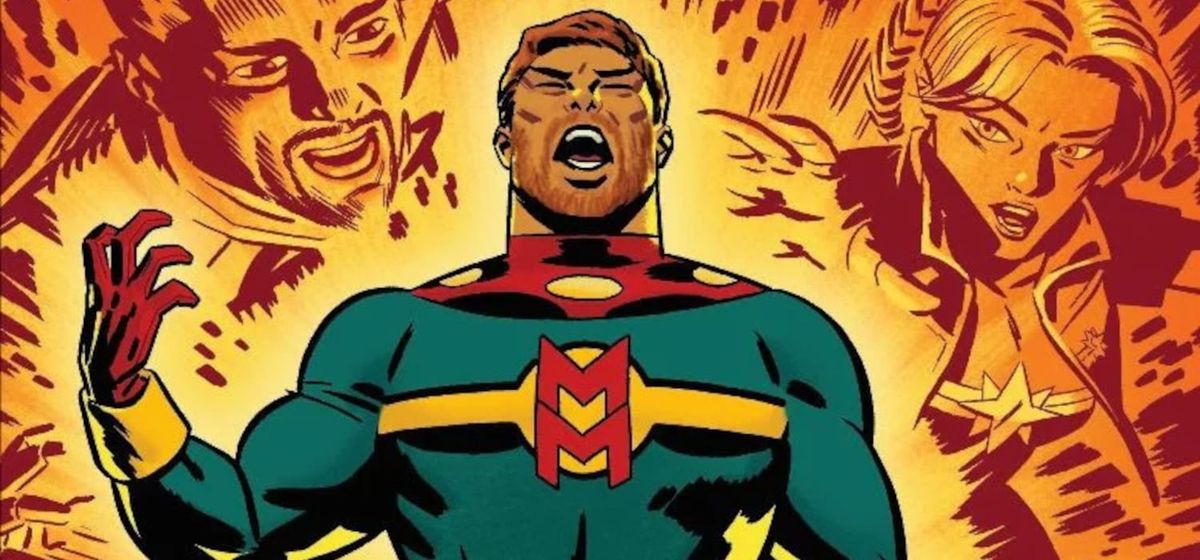
Miracleman was like a comic book urban legend when I first started reading comics regularly. Now he's fighting alongside Wolverine and Spider-Man. How in the world did we get here?
When I got into comics, it was almost a rite of passage to have Watchmen recommended to you. Seemingly everyone knew of Alan Moore and David Gibbons’ seminal work of superhero deconstructionism.
Only a select few knew the deeper lore: that Moore wrote an even darker, more violent, and more extreme work in the same milieu. And even among those who did know, fewer had actually read the story, given how expensive the long-out-of-print issues and collected editions were on the secondary market.
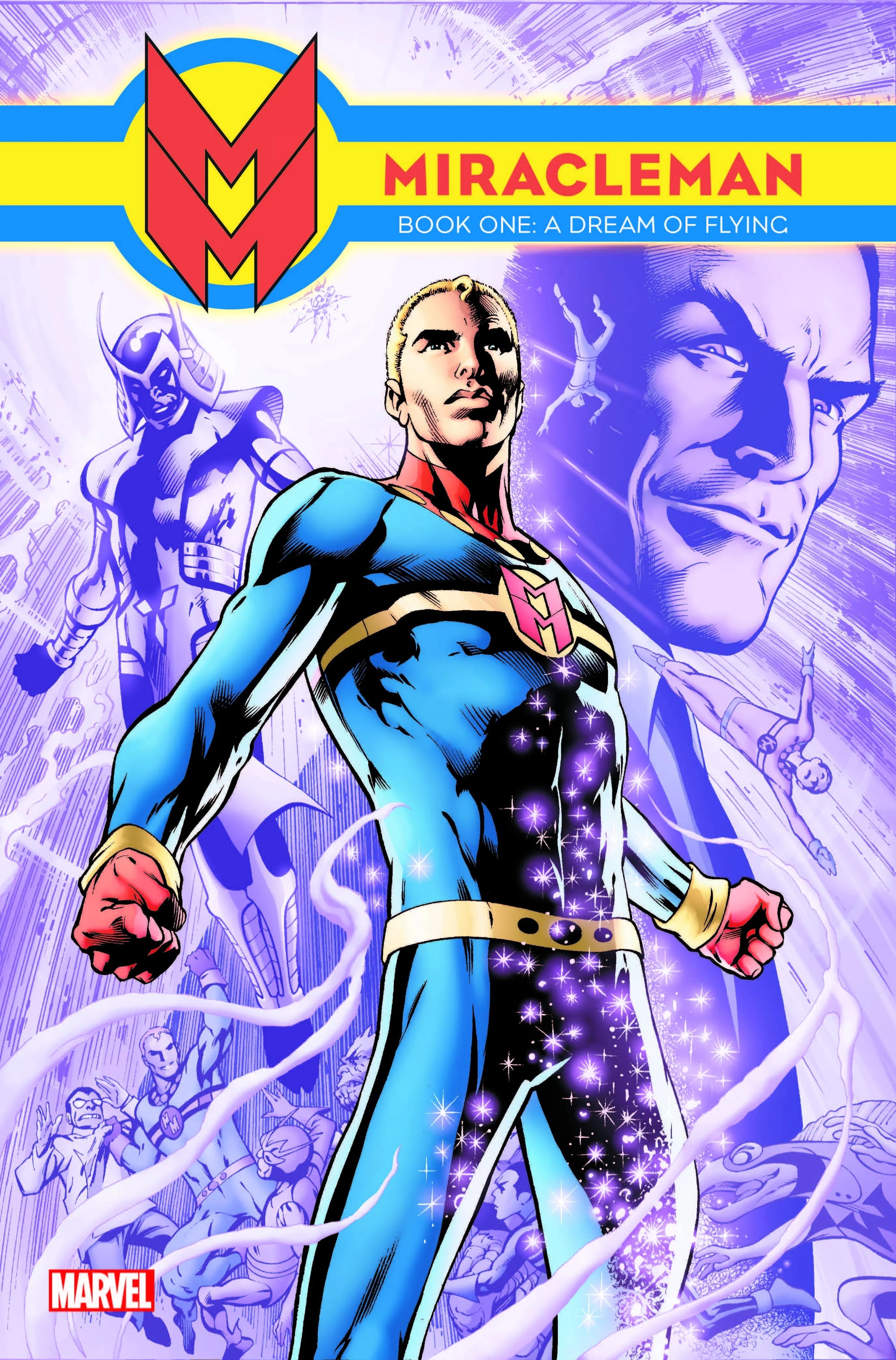
That was Moore's Miracleman, but Miracleman wasn't Moore's creation. Heck, he wasn’t even Miracleman, originally. He was Marvelman, created by Mick Anglo in the 1950s as a replacement for Captain Marvel and the Marvel Family when Fawcett Comics got out of the superhero game. Anglo wasn’t subtle about it either. Besides the similar names, Marvelman's alter ego, Micky Moran, worked in newspapers and transformed into his superhero form by speaking a magic word ("Kimota").
By rights, Marvelman should be a historical footnote, if not for Moore's (and Garry Leach's, at the start) reinvention of the character in the pages of British comics magazine Warrior in 1982. In 1985, after Warrior folded, American publisher Eclipse picked up the story, renaming both the series and the character Miracleman to avoid conflict with Marvel Comics (an ironic move, viewed through the lens of history).
Moore (with Leach, Alan Davis, Rick Veitch, and John Totleben) finished his storied run, which saw Miracleman essentially conquer the planet and remake it to his liking, a supposedly benevolent god-king ruling over all of humanity. Neil Gaiman and Mark Buckingham stepped in to continue the story. They hadn't even finished their first arc when Eclipse went out of business. Miracleman fell into a prolonged period of legal limbo as confusion arose concerning who actually owned the rights to the character.
Marvel Makes a Miracle
Eventually, Marvel (with more than a little help from Gaiman) secured those rights. Marvel then, slowly, began to reprint old material – first the original Marvelman stories, and then Moore's revival (without Moore's name on the cover, as part of the bargain), and even some new material, with Gaiman and Buckingham picking up right where they left off.
And now here we are, in 2026, and a new Miracleman, not Micky Moran but David Colton, has debuted in the pages of Marvel’s current event miniseries Avengers: Armageddon, and we already know he’ll be part of the new Avengers squad launching in its aftermath.
Colton was introduced in Chip Zdarsky’s ongoing Captain America run. It’s funny, because I’d been looking for an excuse to write about that comic, which boldly asserted that Steve Rogers didn’t wake up from stasis until after 9/11. As someone who was sitting in high school English class when news of the attacks on the World Trade Center broke, there’s always been – in my mind – America before that infamous date, and America after. Steve Rogers always felt distant to me, having been born, fought, “died,” and returned all within the confines of the 20th century. Thanks to Zdarsky, now he’s on the other side of that historical moment with the rest of us.
But he’s not alone. Dave Colton was also Captain America, a replacement Cap created by the US government using a less-than-perfect off-brand super-soldier serum. Colton is fascinating because he’s motivated by the same good intentions as Steve Rogers, but he's not leading troops to help liberate Europe from the Axis, though that may be what he envisioned when he signed up for the job. Instead, Colton has had to deal with the complications of modern urban warfare and the prolonged occupations of countries the United States has invaded in 9/11’s aftermath. He has PTSD and is worn down by so many examples of his desire to do good being manipulated for less noble ends.
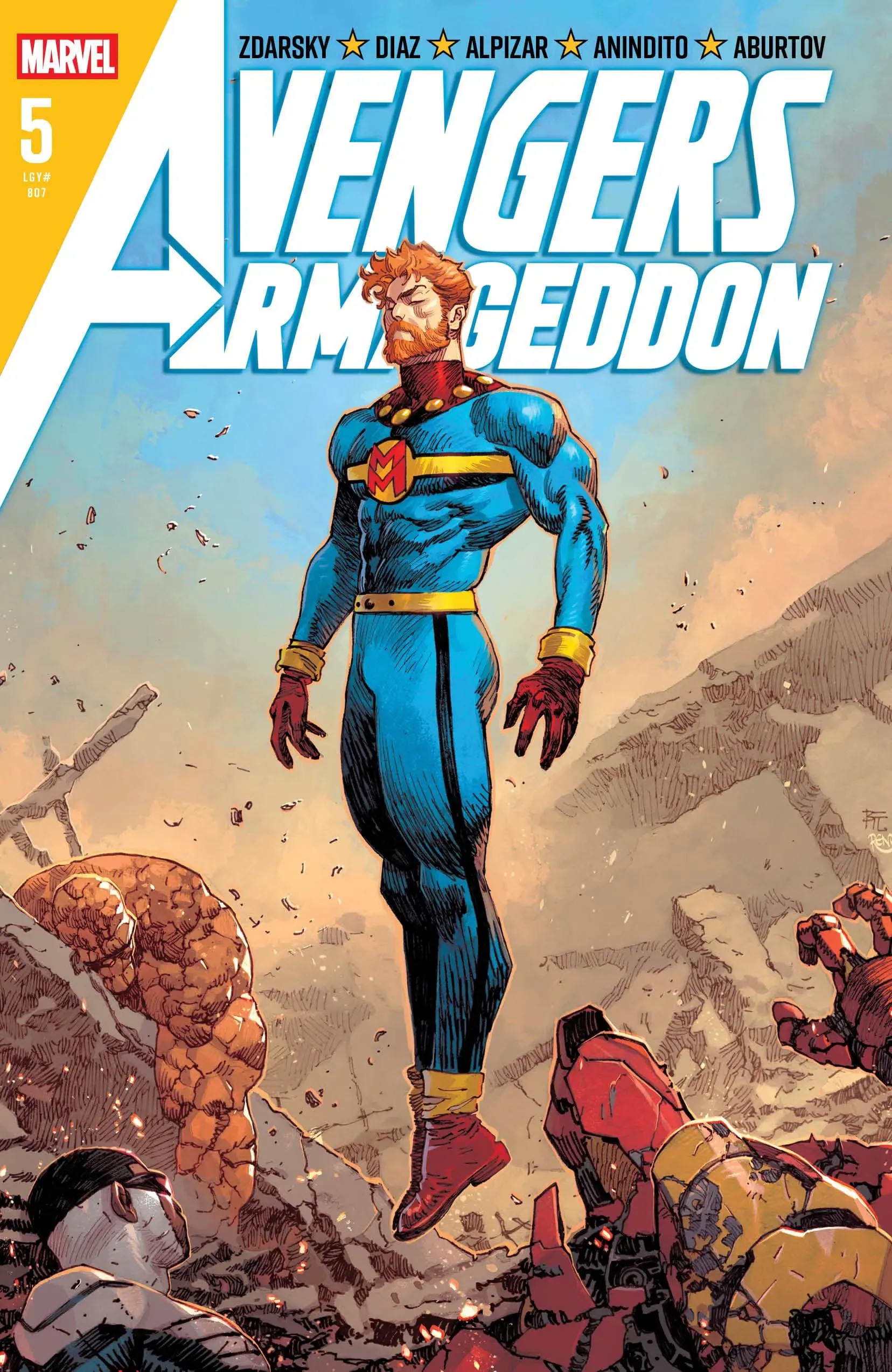
Then he got a mystery box from another timeline that gave him next-level superpowers, one of the boxes meant for the heroes from the Ultimate Universe. It was unclear whose powers Colton got, but they were potent enough that fans speculated they came from the Sentry. Turns out, they weren’t quite right.
To me, Colton gaining these superpowers felt like putting a hat on a hat. He was already such an interesting character; why also make him Marvel’s latest attempt at introducing a Superman-like character to the Marvel universe? I guess we have our answer.
I’ve been loving Zdarsky’s Captain America, enjoying Avengers: Armageddon, and anticipating the upcoming Avengers ongoing series spinning out of it, but with Miracleman’s Marvel Universe debut, it’s hard not to be reminded of Doomsday Clock, that crass and largely maligned DC Comics event that brought Doctor Manhattan from Watchmen to the DC Universe, blaming him (and, subtextually, Moore) for all of the problems that had plagued DC’s superhero line for the past 10-20 years. While Marvel doesn’t seem to be getting that meta-textual with its introduction of Miracleman, it is another example of American superhero comics' seeming inability to grow out of Moore’s shadow for the past 40 years.
And yet, there’s also something poetic about Colton being Miracleman. Colton is a product of 9/11, and what were the dominant superhero comics of the early 2000s? Comics like The Authority and Marvel’s own The Ultimates. Comics about “proactive” superheroes reshaping the world to their liking.
Comics that were clearly descended from Miracleman’s mythical lineage, and Colton's actions have been much the same, unilaterally disarming all nuclear weapons across the world. It makes a certain amount of sense that the Captain America born of that near-9/11 era would reflect those emblematic values, and turning him into Miracleman in actuality feels like the whole idea coming full circle.
But while it may elevate Colton, it also makes the once-mythical Miracleman feel more pedestrian. Seeing someone wearing that godlike being's costume, the stuff my generation of fans once whispered about in legend, appearing alongside Iron Man and the Winter Soldier, all feels incredibly mundane, and "less-than."
I’m going to try to reserve judgment until I see what else Zdarsky has in store for this new Miracleman, but he surely knows he's treading on treacherous narrative ground. One might say it’d be a miracle for him to pull it off.