Unico and the Generational Reinvention of Osamu Tezuka
Diving into Scholastic's Unico, one of many recent reimaginings of the work of manga master Osamu Tezuka.

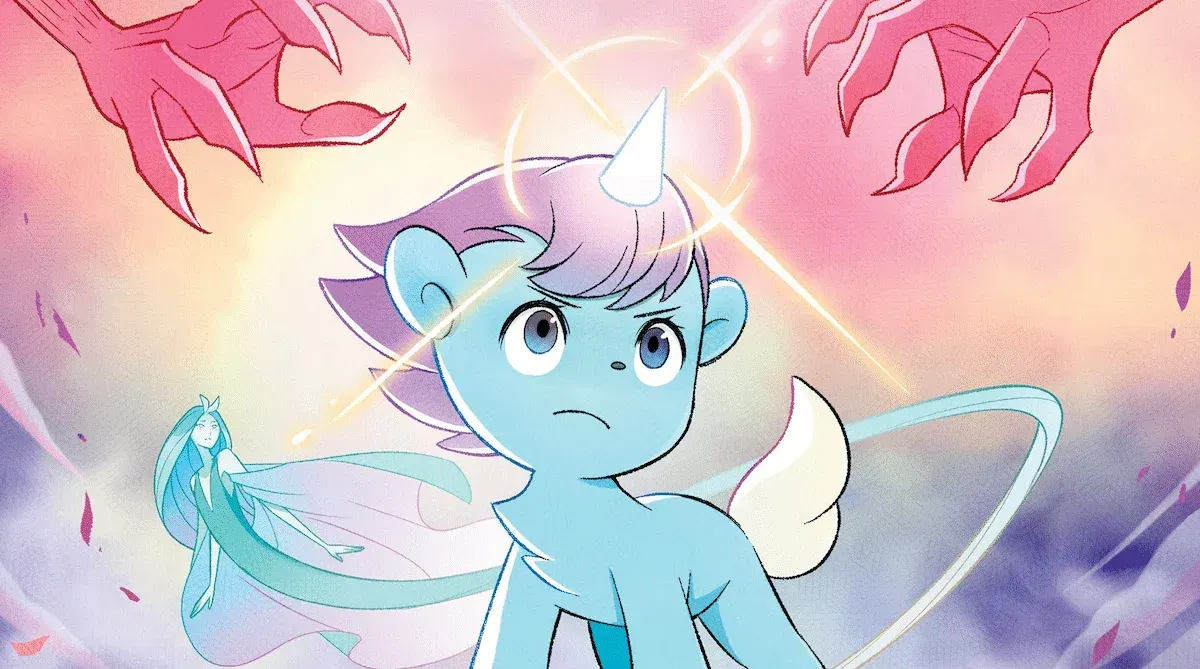
My daughter and I read together every night at bedtime, and recently we finished the graphic novel Unico: Hunted, a sequel to 2024's Unico: Awakening, written by Samuel Sattin and drawn by Gurihiru.
The story follows Unico, an enchanted unicorn who began life as a companion to the goddess Psyche. However, Psyche’s jealous sister, Venus, decides to separate them, believing the absence of such a source of joy as Unico in Psyche's life will reduce the goddess's beauty. Venus summons the West Wind to send Unico into Oblivion, but, touched by Unico’s innocence, the West Wind instead casts the unicorn through space and time. This sets Unico on a series of adventures in which the magical hero, bereft of his memories, befriends and aids a colorful cast of characters while being pursued by Venus' servants.
Sattin and Gurihiru's Unico graphic novels are a reimagining of the original Unico, a 1970s series by the pioneering manga artist Osamu Tezuka. Tezuka's output during his lifetime was prolific and profoundly influential, earning him the title "godfather of manga." His stature, fame, and influence in Japan span both manga and anime, making it hard to find an adequate comparison in the West.
"There is no perfect analog for what he would be from an American perspective," Sattin tells me via video call from his home in Japan. "He’s Jack Kirby, he's Walt Disney, he's Charles Schulz, he's an avant-garde arthouse creator, he's a lot of different things.
"And honestly, he's none of those things, which is interesting, because in Japan, whether you have read his work, or whether you even like his work, or not, you know of his work, you know of Osamu Tezuka. The name itself is synonymous with a part of Japanese pop culture history and art history."
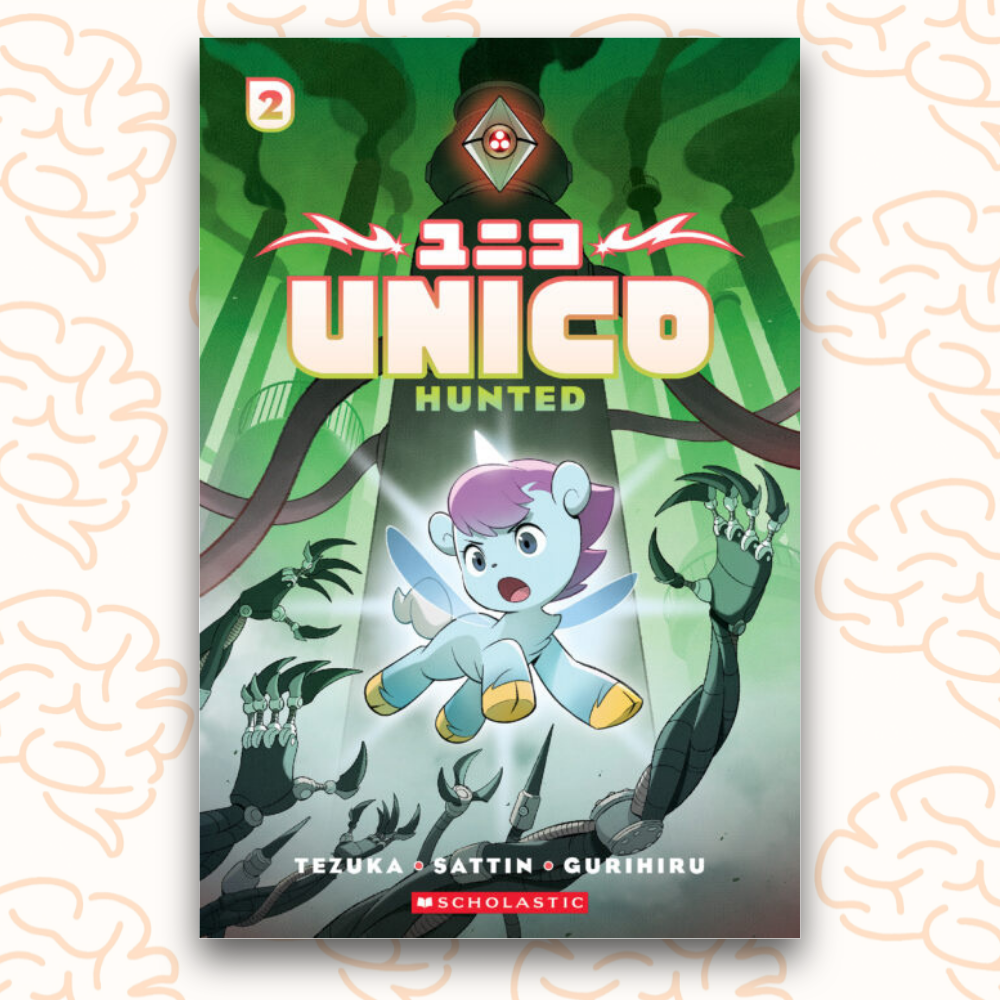
The new Unico adaptation features modern storytelling, with Gurihiru's vibrant, expressive artwork perfectly suited to appeal to Scholastic's target audience. It's a work that feels fresh but also respectful of the source material.
Part of what makes Tezuka's comics so endearing and influential, beyond his skills as a cartoonist and seemingly limitless imagination, is the universality and relatability of the themes that run through much of his work. His stories pose questions like “How do we overcome man's cruelty toward one another?” and “What is one individual's worth in the vast universe?” while setting their protagonists on quests for redemption and forgiveness.
"Tezuka himself believed in comics being an international language..."
"In Tezuka’s books, humans are not always the best of the best," Sattin explains. "We have good, and we have bad, but there's very much a notion that animals, machines even, can have more of our best intentions in mind than we do. There are a lot of reasons for that. Tezuka was in the war. He saw a lot of really difficult, terrible things, like a lot of other artists of his time, but he also really loved Disney. He loved Bambi. He watched Bambi like 800 times, or something like that. He wanted to build a Disney of the East, and he loved international collaboration and sharing stories. The thing is that he really was a complex, hopeful person. I always think that he was conflicted about his view on humanity and how to express a sense of what it means to be really good and ethical."
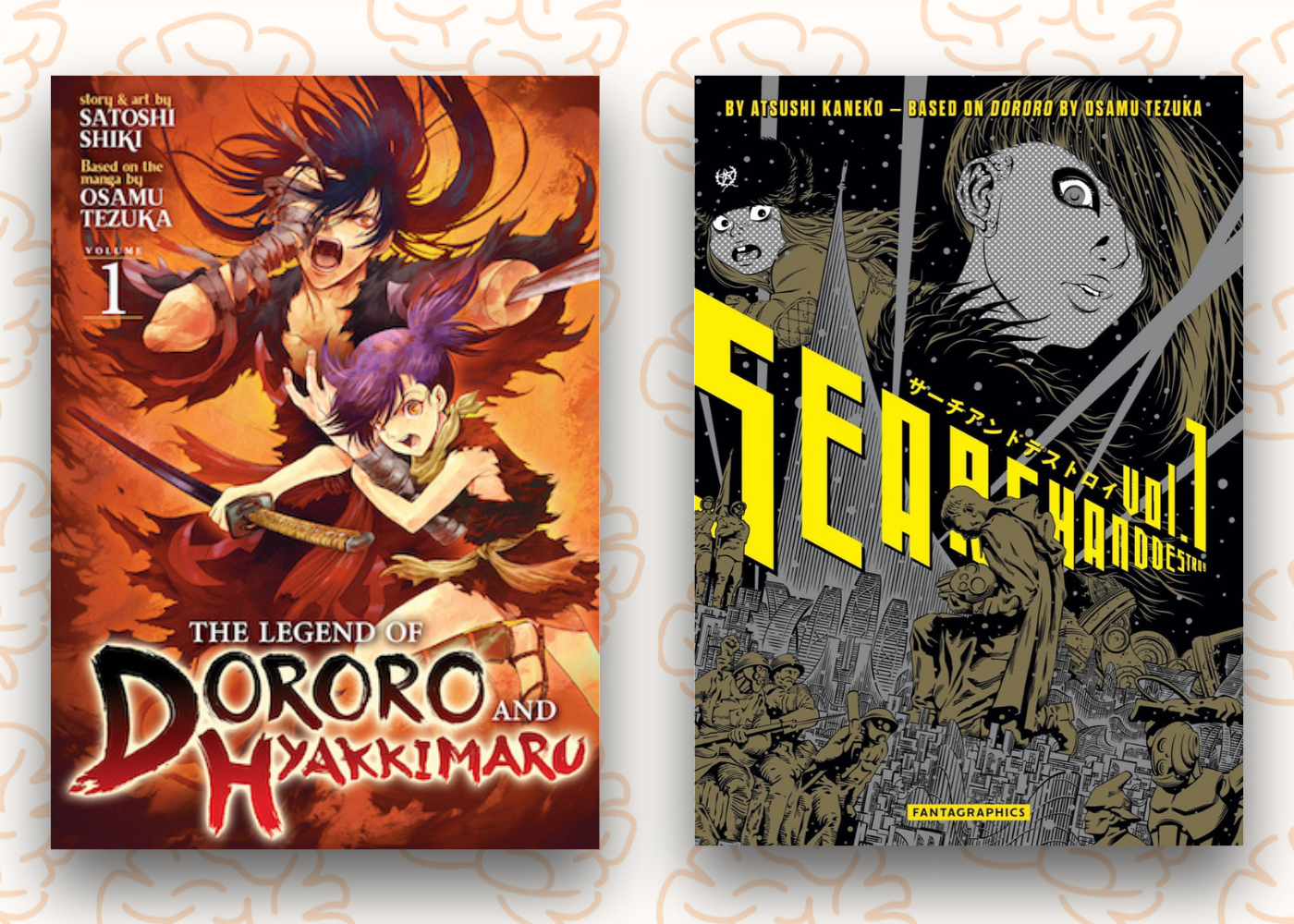
Those themes are present in Unico as well, with the young unicorn's power stemming from his basic decency and compassion. Sattin and Gurihiru's adaptations maintain that core spirit. However, Unico is only one of Tezuka's popular manga, and not the only one to be reimagined for modern audiences.