More Weight Puts the Weight of History on All of Us
A look at Ben Wickey's fascinating in-depth reexamination of the Salem witch trials.

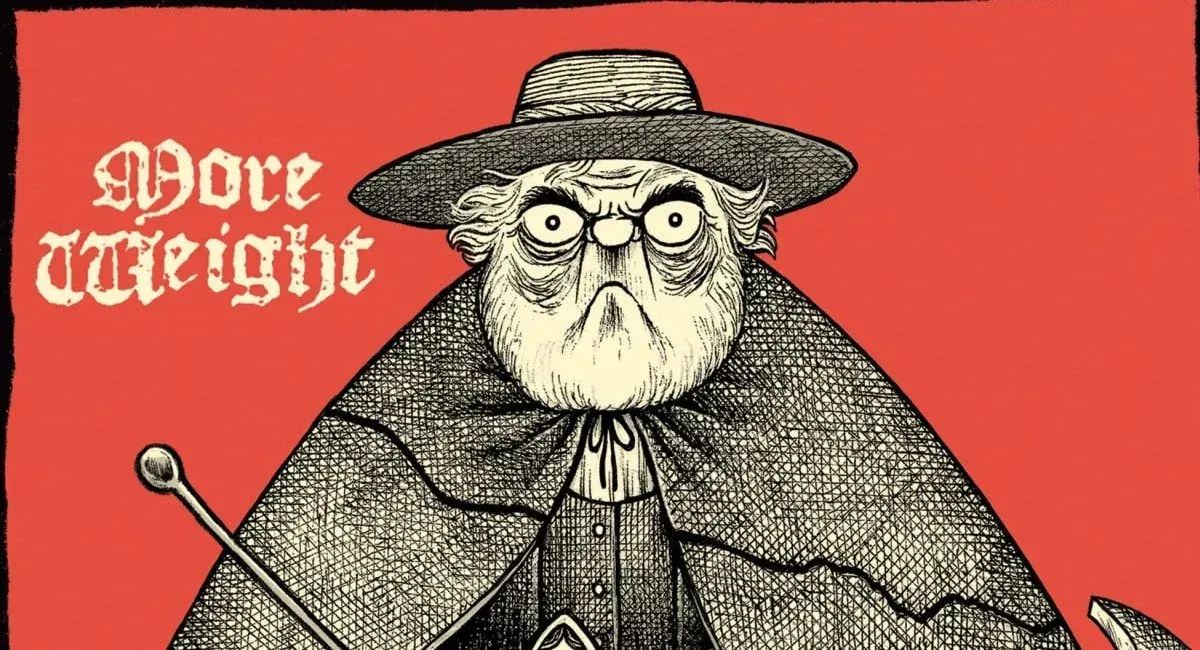
Practically every adult in America knows about Salem’s witch trials. Or at least they think they do based on what they learned in history or literature class through works like Arthur Miller’s The Crucible. If you grew up in New England, as I did, you may have even taken a field trip to Salem – now known as “Witch City,” a nickname that turns its tragic history into a kitschy mascot.
Salem is deeply embedded in America’s national memory, which is as fallible and malleable as personal memory. At first glance, More Weight: A Salem Story from Top Shelf, Ben Wickey’s reexamination of the witch trials and their legacy, seems to be all about getting to the plain truth of what happened during that dreadful time in Salem.
But that’s not entirely the case. More Weight does put right many aspects of the witch trials that Miller twisted to serve his play's dramatic needs. By comparison, More Weight offers a relatively sedate, matter-of-fact account of events in Salem Town and Salem Village in 1962, focusing on the personal grievances and petty local politics that served as tinder for the growing inquisitorial flames.
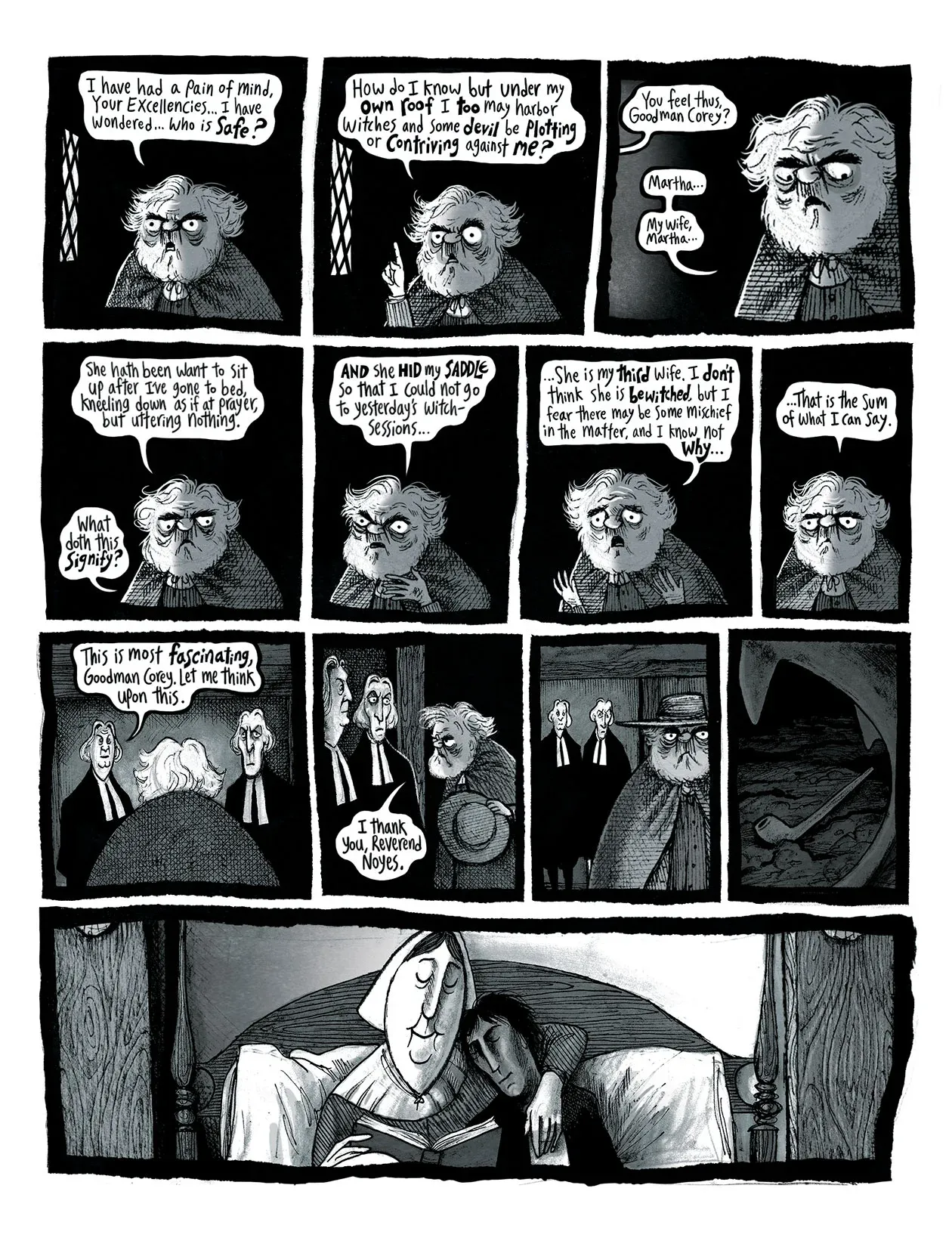
But that’s only one part of the story. As much as More Weight is about the witch trials themselves, it is also about the way Salem, and by extension America, has dealt with the memory of one of the formative moments of America’s pre-revolution history. For a generation, the wounds remained raw before Salem tried to forget its darkest episode, and then ultimately, out of economic desperation, sanitized and commodified it.